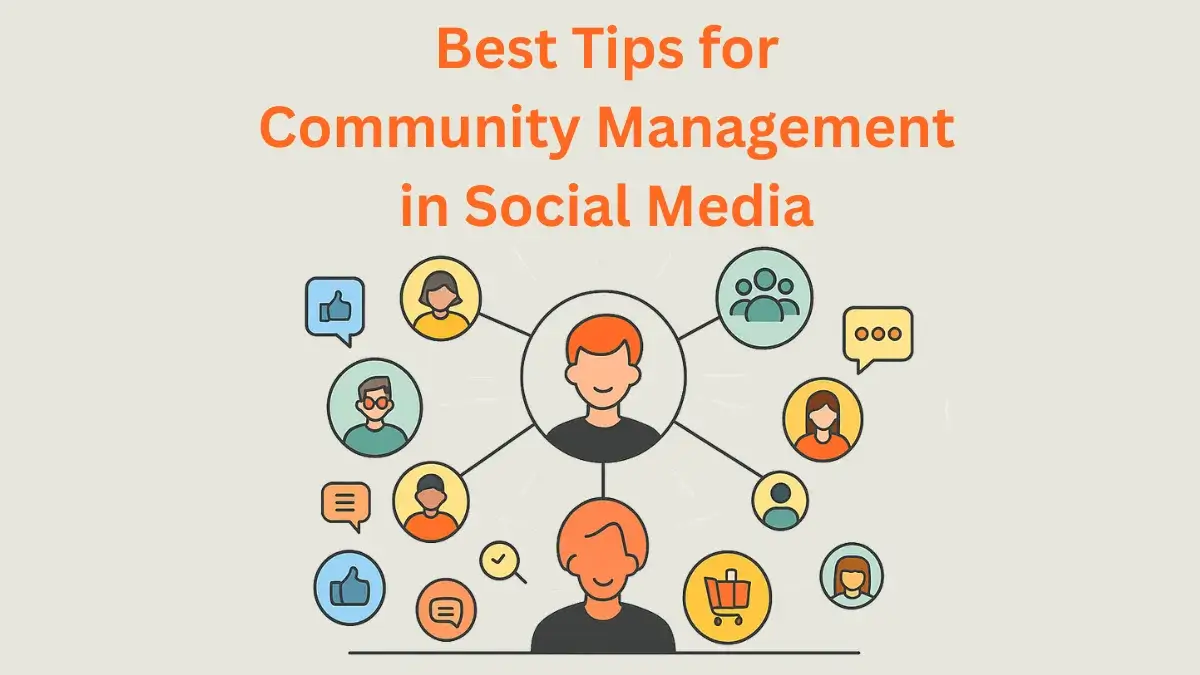
Welcome to the heart of modern marketing. If you feel like you're just posting into the void, you're not alone. Many marketers focus so much on follower counts that they forget the "social" part of social media. Consequently, they miss out on building their most valuable asset: a loyal, engaged, and thriving online community. Effective community management transforms your brand from a simple broadcaster into the host of a vibrant digital ecosystem. This guide provides the best tips to help you build, nurture, and grow a community that not only loves your brand but advocates for it.
Part 1: Building a Strong Foundation
1. Define Your Community's Purpose and Voice
Before you can build a community, you must know why it exists. What is its core purpose? Is it for customer support, user-generated content, product feedback, or simply to connect people with shared interests around your industry? Furthermore, you need to establish a clear and consistent brand voice. Are you a witty and informal friend, a helpful and expert guide, or a professional and authoritative source? Defining this purpose and voice first ensures that every interaction, post, and comment feels authentic and aligned, creating a predictable and welcoming environment for members.

2. Choose the Right Platforms and Set Guidelines
Not every social media platform is right for every community. You must go where your target audience is already spending their time. Is your audience on visual-first platforms like Instagram and TikTok, professional networks like LinkedIn, or discussion-heavy forums like Reddit or a private Facebook Group? Once you've chosen your platform, your first act as a community manager should be to establish clear, simple, and visible community guidelines. These rules set the tone, define acceptable behavior, and give you a framework for moderation, ensuring the space remains safe and respectful for everyone.

Part 2: Driving Active Engagement
3. Create and Curate Valuable, Shareable Content
A community needs a focal point. Your content serves as the campfire that everyone gathers around. This shouldn't just be about your product; it should be valuable to the community itself. Think about creating content pillars that align with your community's purpose. For instance, you could share behind-the-scenes looks, user success stories, educational tutorials, or industry news. Moreover, curating content from others, including your own members (user-generated content), shows that you're listening and that the community's voice matters.

4. Spark Conversations and Engage Proactively
The difference between an audience and a community is interaction. Your job is to intentionally spark conversations. Ask open-ended questions, run polls, host Q&A sessions with experts, and create fun challenges or prompts. However, engagement is a two-way street. You must be proactive in responding to comments, acknowledging feedback, and participating in discussions—not just as a brand, but as a personality. When members feel seen and heard, they are far more likely to contribute regularly.

Part 3: Nurturing Growth and Measuring Success
5. Empower Advocates and Handle Negativity Gracefully
Within any thriving community, you will find super-users or brand advocates. These are your most passionate members. One of your most important roles is to identify and empower them. Give them special access, feature their content, or create an ambassador program. Simultaneously, you must have a plan for handling negativity. The key is to respond quickly, publicly, and gracefully. Acknowledge the user's frustration, take the conversation to a private channel if necessary, and always follow your established guidelines. How you handle criticism is a powerful signal to the rest of the community.

6. Track Key Metrics to Measure Your ROI
Community management is not just about creating warm feelings; it delivers real business value. To prove this, you must track the right metrics. Go beyond vanity metrics like follower count. Instead, focus on engagement rate (likes, comments, shares per follower), community growth rate, and sentiment analysis (is the conversation positive, negative, or neutral?). Furthermore, you can track qualitative feedback and support-related metrics, like a reduction in customer support tickets. These data points will demonstrate the tangible return on investment (ROI) of your community-building efforts.

Pro Tips
- Use Members' Names: When replying, always use the person's name. It's a small detail that makes the interaction feel personal.
- Celebrate Milestones: Celebrate community milestones like reaching a certain number of members or an anniversary.
- Be Human: Don't be afraid to use emojis, share appropriate humor, and admit when you don't have the answer. Authenticity builds trust.
Warnings
- Don't Be a Robot: Avoid canned, generic responses. People can spot them instantly, and it kills genuine connections.
- Never Ignore Feedback: Even if the feedback is negative, ignoring it is the worst thing you can do. Always acknowledge it.
- Avoid Over-Promotion: A community is not just another sales channel. Follow the 80/20 rule: 80% value and engagement, 20% promotion.
Things You'll Need
- A Social Media Scheduling Tool (e.g., Buffer, Hootsuite)
- A Graphics Creation Tool (e.g., Canva)
- A Clear Set of Community Guidelines
- A System for Tracking Key Metrics