Introduction
So, you've heard that email segmentation is the key to better engagement, higher conversions, and happier subscribers, yet your efforts feel like they're falling flat? Indeed, many marketers meticulously create segments only to see minimal impact, leaving them to wonder why their email segmentation is failing. The truth is, effective segmentation is more than just dividing your list; it's a strategic process that common mistakes can easily derail. Consequently, this guide is designed to diagnose exactly why email segmentation fails by exploring the 10 most common issues marketers face and providing a clear, actionable plan for how to fix them. Therefore, let's turn your segmentation strategy into a powerful engine for growth.
Part 1: Fixing Foundational Data and Strategy Failures
1. Fix the Failure of Segmenting Without Clear Goals
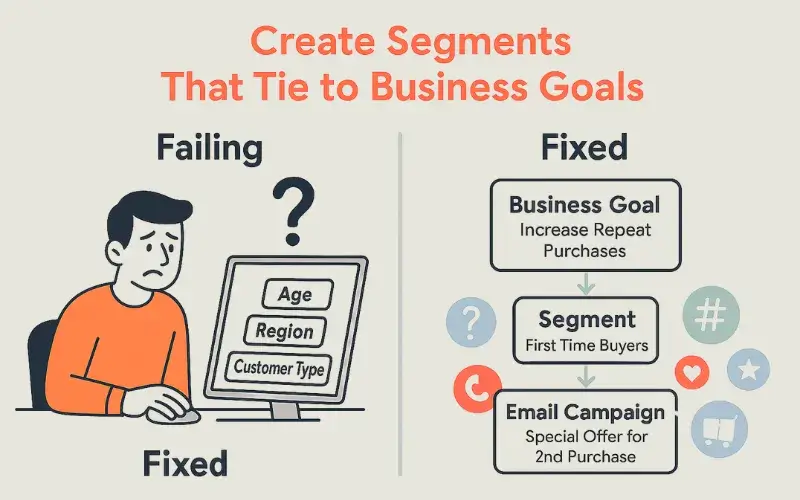
Why it fails: This is a core strategic error. A marketer creates segments without a defined purpose, leading to directionless campaigns that can't be measured effectively. This is Issue #10: Lack of Clear Goals Per Segment.
How to fix it: Before creating any segment, define its business objective. Is the goal to re-engage inactive subscribers, nurture new leads, or convert high-intent users? For example, a goal might be "To increase repeat purchases from first-time buyers by 20%." This goal then dictates the segment ("First-Time Buyers") and the content of the emails, making success measurable.
2. Solve Issues Caused by Poor Data Collection and Integration
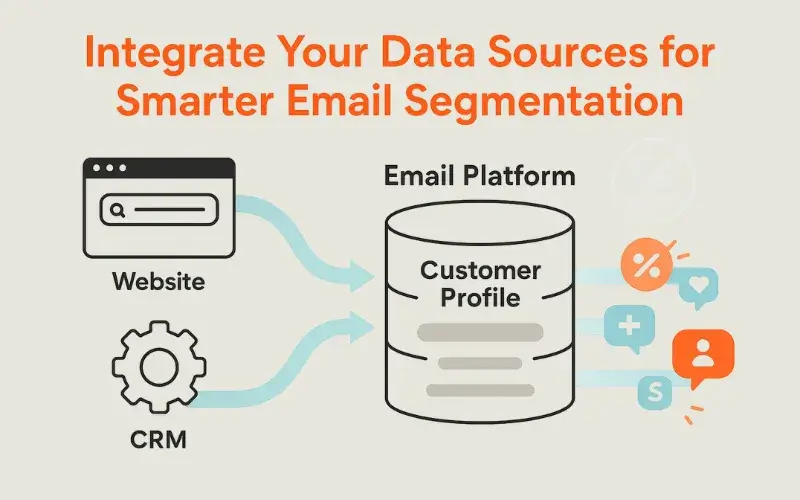
Why it fails: Your email segmentation is only as good as its data. This covers Issue #1: Poor Data Collection and Issue #5: Lack of Integration Between Tools. If you don't collect relevant data at sign-up, or if your e-commerce store, CRM, and email platform don't sync properly, you're working with an incomplete and inaccurate picture of your subscriber.
How to fix it: Enhance your sign-up forms to optionally collect key data (like interests). Ensure your key marketing tools are properly integrated. For instance, a solid Shopify-to-Klaviyo or WooCommerce-to-Mailchimp connection is vital for syncing behavioral data (like product views or cart abandonment) that powers your most effective segments.
Part 2: Correcting Ineffective Segmentation and Content Mistakes
3. Fix the Problem of Using the Wrong Segmentation Criteria
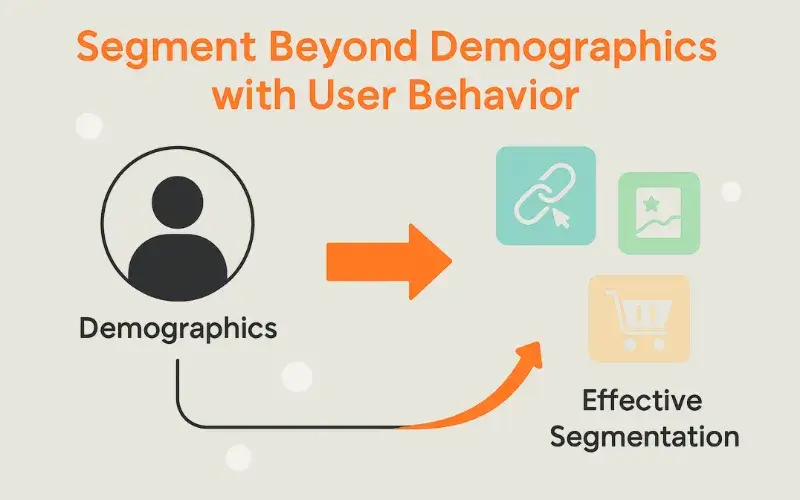
Why it fails: This covers Issue #4: Segmenting Based on Assumptions and Issue #6: Ignoring Behavior-Based Segmentation. Marketers often default to simple demographic data (like location), assuming it's what matters, while ignoring the goldmine of user behavior.
How to fix it: Prioritize behavior-based segmentation. While demographics can be useful, segments based on what users do are far more powerful. Create segments based on website activity (viewed specific product), purchase history (VIP customer), or email engagement (opened last 3 emails). This data-driven approach replaces assumptions with facts about user intent.
4. Stop Sending the Same Generic Content to Different Segments
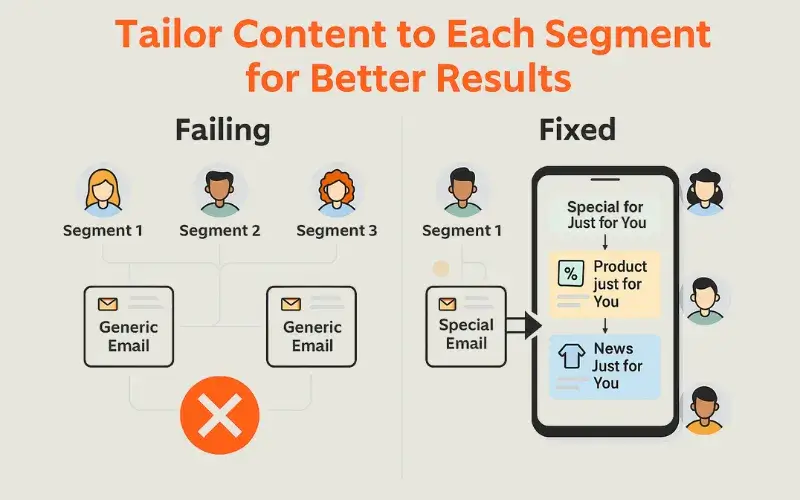
Why it fails: This is Issue #7: Repetitive Content Across Segments. A marketer can do all the hard work of creating detailed segments, but then fail at the final step by sending everyone the same generic email blast. This completely negates the purpose of segmentation.
How to fix it: Tailor your content. For example, if you have a segment of users who viewed "blue running shoes," your email to them should feature those shoes and related content. If you have a segment of new subscribers, their content should be welcoming and educational. Personalize subject lines, offers, and CTAs to match each segment.
Part 3: Addressing List Management, Testing, and Optimization
5. Fix Issues Related to Outdated Lists and Improper Segment Size
Why it fails: This covers Issue #3: Outdated or Inactive Lists and Issue #2 & #9: Too Few/Many Segments & Over-Segmentation Fatigue. Sending to inactive contacts harms deliverability. Creating too many micro-segments becomes impossible to manage and can lead to sending too many niche emails, causing subscriber fatigue.
How to fix it: Regularly clean your list to remove bounced and long-term inactive subscribers. Find a strategic balance with your segments. Start with a few broad, high-impact segments. It's better to have 5 well-managed segments that you create tailored content for than 50 tiny ones that receive generic messages.

6. Fix the Failure of Not Testing and Optimizing Your Segments
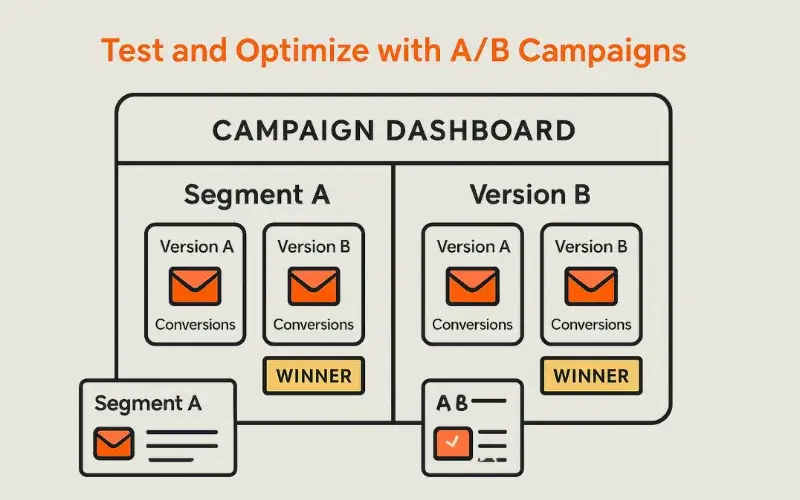
Why it fails: This is Issue #8: No Testing or Optimization. An email segmentation strategy is not a "set it and forget it" tool. Without testing, you're operating on assumptions about what works for each group.
How to fix it: Implement A/B testing within your key segments. For example, test different subject lines for your "VIP customer" segment or different offers for your "cart abandoner" segment. Analyze the performance of each segment individually and use the data to continuously refine your segments and messaging.
Tips for Successful Email Segmentation
- Start with simple, high-impact segments like "new subscriber welcome" or "cart abandonment."
- Use platform features like dynamic content blocks and automation rules.
- Periodically survey subscribers or use a preference center to gather more data.
- Map each segment to its place in the customer journey.
- Use master templates with dynamic content blocks for efficiency.
Warnings to Avoid
- Don't forget to measure performance by segment. A segment with no ROI isn't useful.
- Ensure compliance with data privacy laws (GDPR, CCPA).
- Avoid segments that are too narrow to analyze.
- Never assume static traits define intent—use behavior when possible.
Things You'll Need
- An email marketing platform with segmentation & automation
- Integrated data from your CRM or website
- Clear goals for each segment
- Tools to personalize content
- Email analytics access
- A testing mindset for continuous improvement