Introduction:
So, you understand the power of email marketing, but you're starting with zero subscribers and want to ensure your email list building efforts are both effective and ethical? Indeed, building an email list from scratch can seem daunting, but it's a foundational step for creating direct, owned communication channels with your audience. Unlike buying lists (which is unethical and ineffective), organic email list building focuses on attracting people genuinely interested in what you offer. Consequently, this guide will outline five ethical and actionable ways to start and grow your email list from the ground up. Therefore, let's explore how to build a quality list the right way.
Five Ethical Email List Building Methods
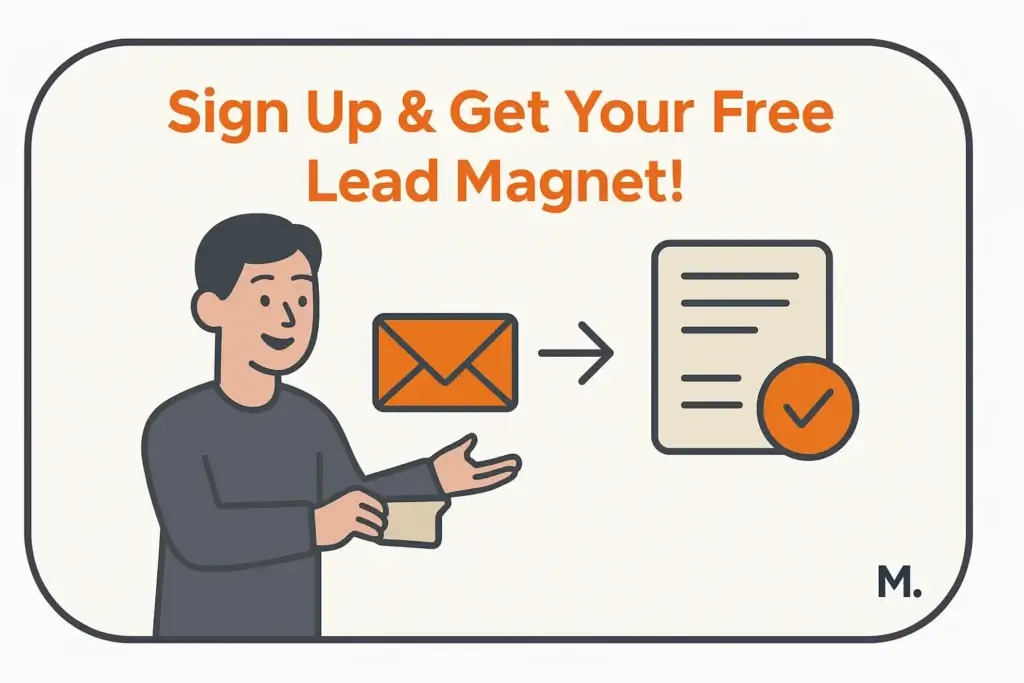
Create valuable Lead Magnets or Opt-in Incentives
One of the most effective ethical email list building strategies is to offer something of genuine value in exchange for an email address. This "lead magnet" or opt-in incentive, for example, could be:
- A downloadable ebook, guide, or checklist.
- A free template or worksheet.
- Access to an exclusive webinar or video training.
- A discount code or free shipping on a first purchase (for e-commerce).
- Entry into a relevant contest or giveaway.
The key is that the incentive must be highly relevant and desirable to your target audience. Promote this offer clearly on your website and relevant channels.
Optimize your website with clear and compelling Opt-in Forms
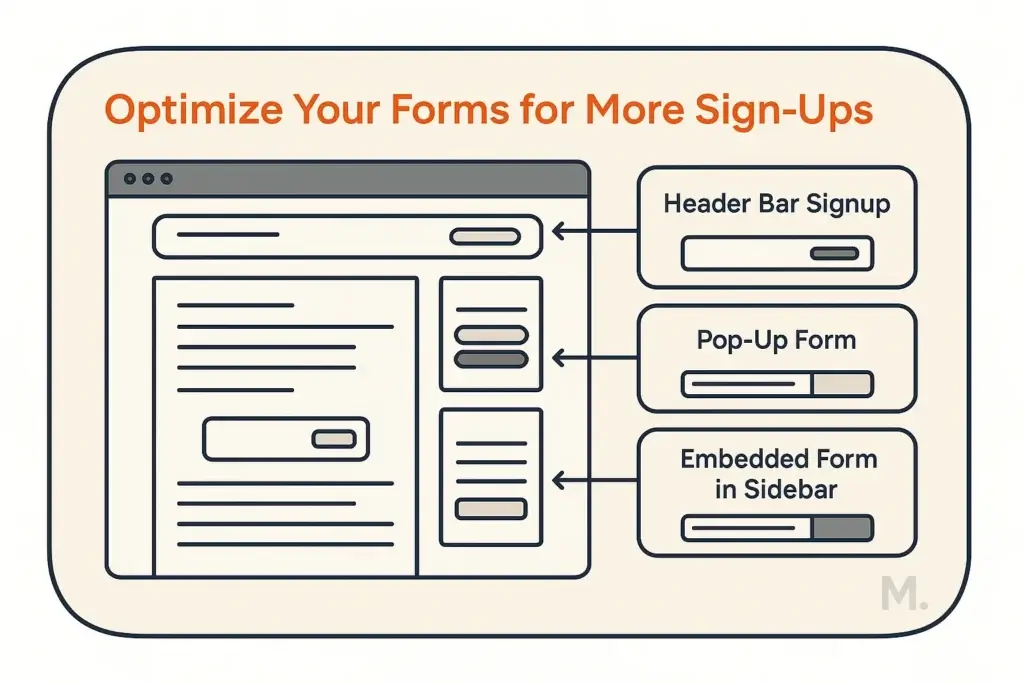
Your website is prime real estate for email list building. Therefore, strategically place clear and user-friendly opt-in forms in multiple locations, for instance:
- Homepage: A prominent call-to-action or embedded form.
- Blog Posts: At the end of articles, or as a content upgrade offer within the post.
- Sidebar or Footer: A consistent spot for a general newsletter signup.
- About Page/Contact Page: For visitors interested in learning more about you.
- Exit-Intent Pop-ups: Offering an incentive when a user is about to leave your site (use these judiciously).
Ensure your forms are simple, clearly state what subscribers will receive, and comply with privacy regulations (e.g., GDPR consent).
Use content and social media to accelerate email list building
Your ongoing content creation and social media presence are valuable assets for email list building. For example:
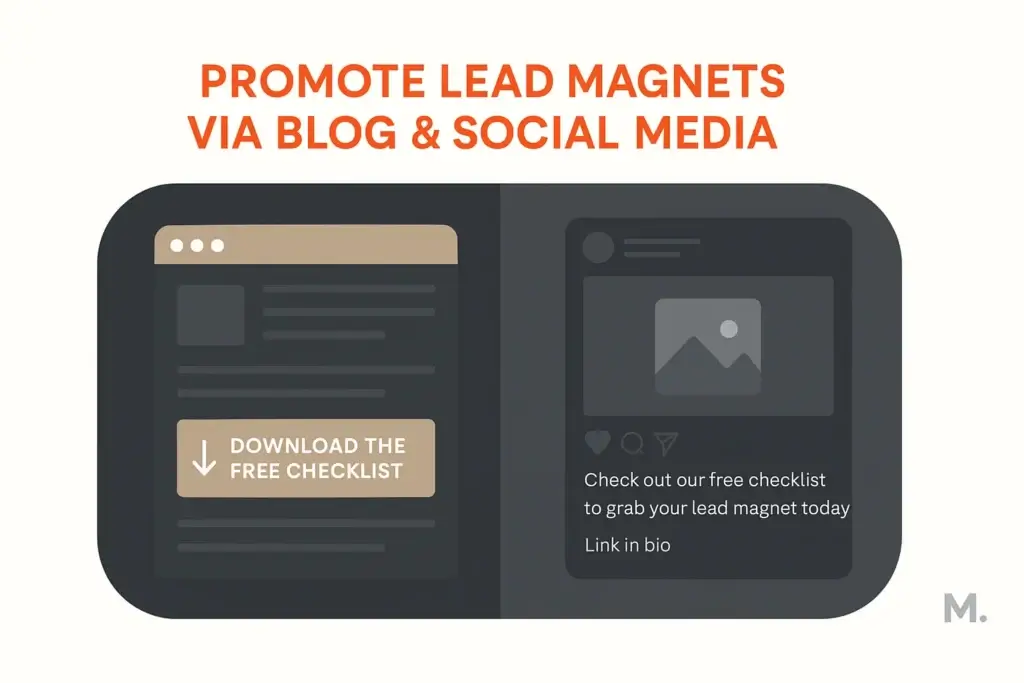
- Content Upgrades: Offer a specific, high-value piece of bonus content (like a checklist or resource list) related to a popular blog post, requiring an email signup to access.
- Calls to Action in Content: Include CTAs within your blog posts, videos, or podcast episodes, encouraging sign-ups for your newsletter or a relevant lead magnet.
- Social Media Promotion: Regularly share links to your lead magnet landing pages or newsletter signup forms on your social media profiles. Use your bio link effectively.
- Run Contests/Giveaways: Host contests on social media where an email address is required for entry (ensure compliance with platform rules).
This integrates email list building naturally into your existing marketing activities.
Use webinars and workshops for effective email list building
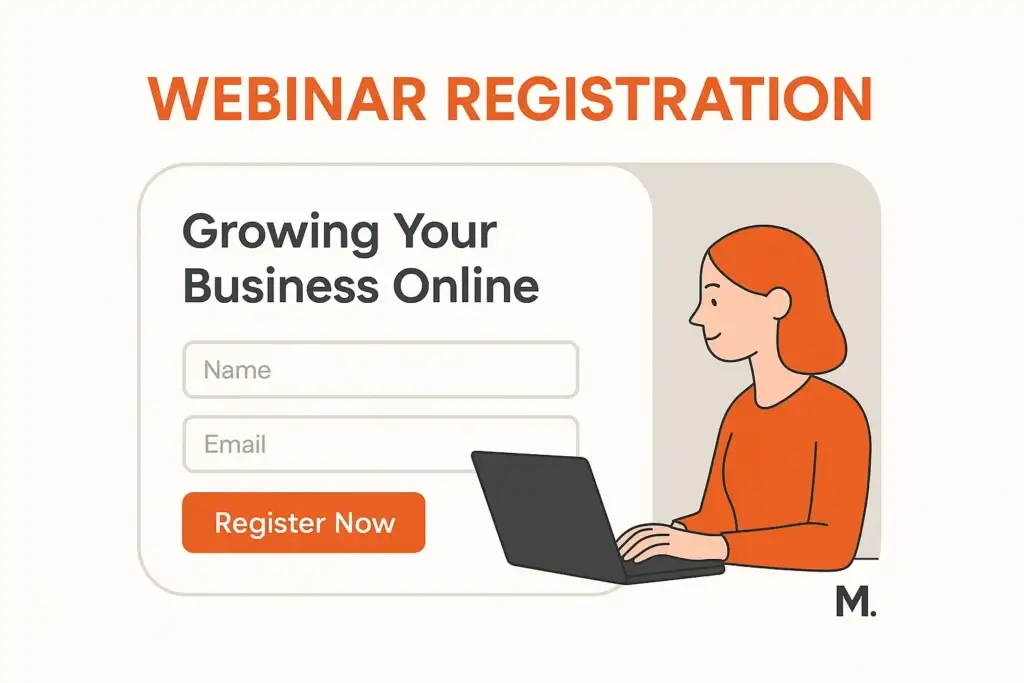
Online events provide excellent opportunities for ethical email list building. When you host a webinar, workshop, or online summit, for example, registration typically requires an email address. Ensure the event topic is highly valuable and relevant to your target audience. Furthermore, if you participate as a speaker in someone else's event, you can often offer a free resource (your lead magnet) to attendees, directing them to a landing page to sign up.
Encourage sharing and word-of-mouth referrals
Once you start getting subscribers, you can leverage their enthusiasm for further email list building. For instance:
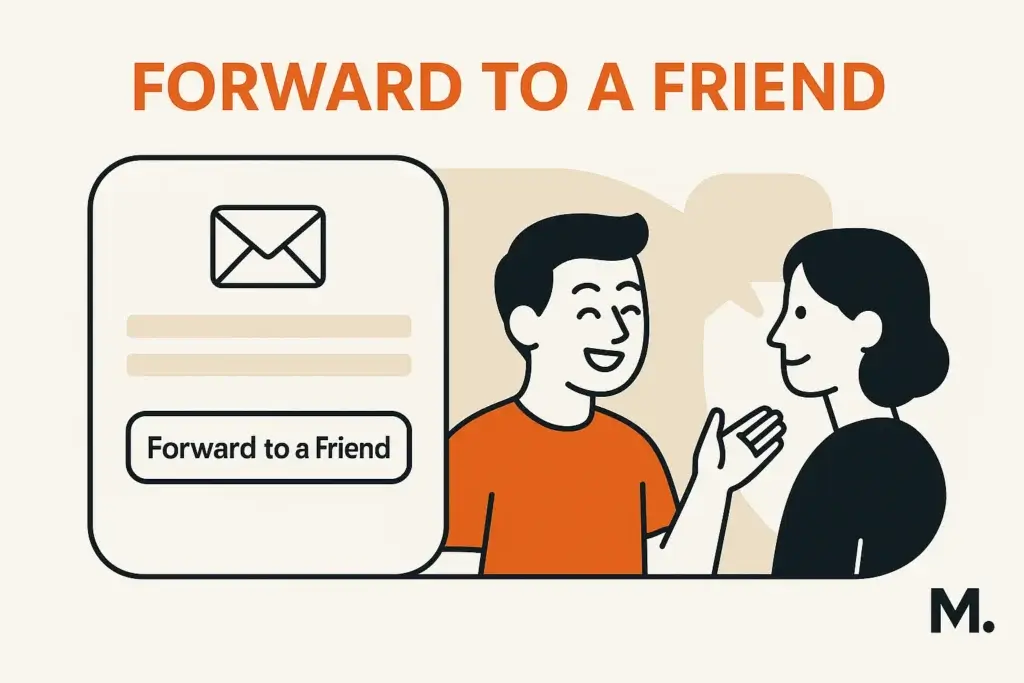
- Include "Forward to a Friend" links in your emails (if your email service provider supports this).
- Subtly encourage the sharing of valuable content or newsletters on social media.
- Consider a simple referral incentive if it fits your brand (e.g., "Share this with 3 friends and get X"), but always prioritize genuine interest over forced sharing.
The core principle here is that if your content is truly valuable, people will naturally want to share it, and ethical email list building benefits from this organic spread. Always respect privacy and ensure any sharing mechanisms are transparent and consent-based.
Tips:
- Primarily, always prioritize quality over quantity. A smaller list of engaged subscribers is more valuable than a large, unengaged one. This is key to ethical email list building.
- Also, clearly communicate what subscribers can expect (frequency, type of content) when they sign up.
- Furthermore, make the unsubscribe process easy and obvious in every email.
- Additionally, regularly clean your email list by removing inactive or bounced email addresses to maintain good deliverability.
- Importantly, provide consistent value in your emails to keep subscribers engaged and reduce unsubscribes.
- Consider A/B testing your opt-in forms, CTAs, and lead magnet offers to optimize conversion rates.
Warnings:
- Crucially, NEVER buy email lists. This is unethical, often illegal, harms your sender reputation, and results in very low engagement. True email list building is organic.
- Also, don't add people to your list without their explicit consent (opt-in). Avoid pre-checked signup boxes.
- Furthermore, be transparent about how you will use their email address and link to your privacy policy.
- Finally, don't make your opt-in process overly complicated with too many required fields; name and email are usually sufficient.
Things You'll Need:
- An email marketing service provider (e.g., Mailchimp, ConvertKit, ActiveCampaign), of course.
- Additionally, a valuable lead magnet or opt-in incentive.
- A website or landing page to host your opt-in forms.
- Clear calls to action.
- Lastly, a commitment to providing ongoing value to your subscribers.