Introduction:
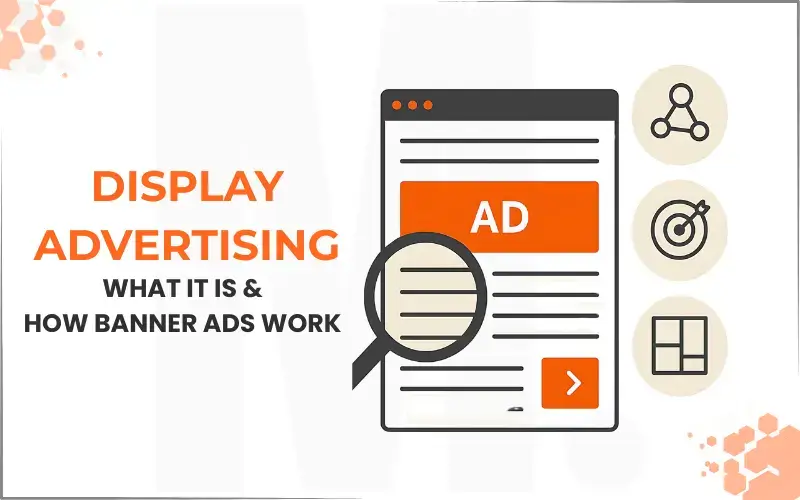
So, you've undoubtedly seen them while browsing the internet – those visual ads, often called banner ads, appearing on websites, apps, and social media. Indeed, this is display advertising in action. But what exactly is display advertising, and how does it all come together to show you those specific ads? Consequently, this guide will break down the core concepts of display advertising, from the types of ads and where they appear to the intricate systems that power their delivery and targeting. Therefore, let's explore the world of visual online advertising.
Understanding the Fundamentals of Display Advertising
1. What is Display Advertising?
Essentially, display advertising is a form of online paid advertising where visual ads (known as display ads or banner ads) are shown on websites, social media platforms, and apps that are part of an ad network. Unlike search ads, which appear in search engine results and are text-based, display advertising relies heavily on visuals like images, videos, and animations to capture attention and convey a message. Its primary goal, for instance, is often brand awareness, though it can also drive traffic and conversions.
2. Explore the common types of display ads.
While "banner ad" is a common term, display advertising encompasses various formats. For example:
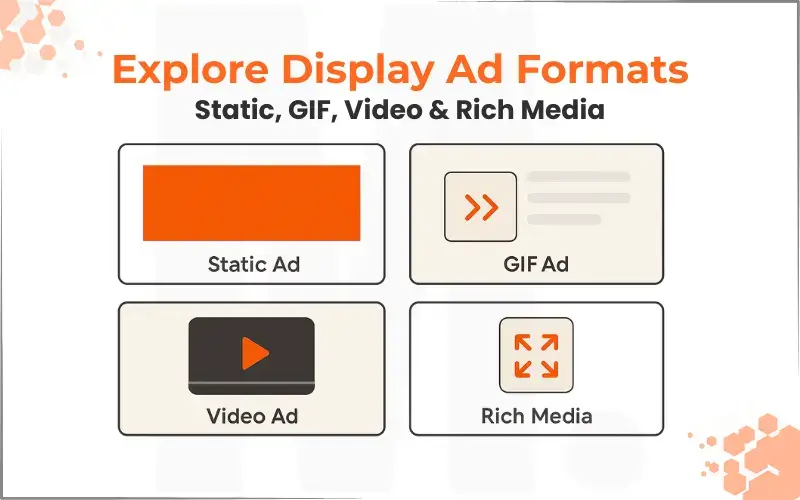
- Static Banner Ads: Simple image-based ads (e.g., JPG, PNG).
- Animated Banner Ads: Ads with movement or transitions (e.g., GIFs, HTML5).
- Video Ads: Short video clips embedded within display ad units.
- Rich Media Ads: Interactive ads that might expand, play sound, or include games.
- Responsive Display Ads: Ads that automatically adjust their size, appearance, and format to fit available ad spaces.
Consequently, the format chosen often depends on the campaign goals and creative assets available.
3. Understand ad placements and inventory.
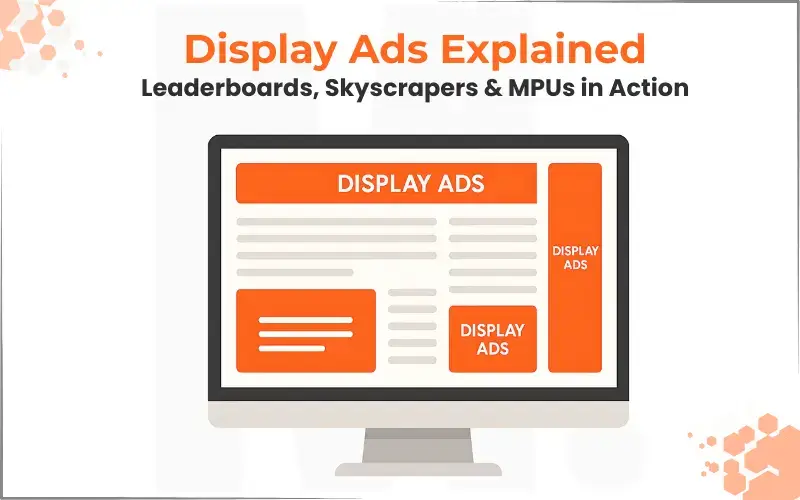
Display advertising ads appear in designated spaces on websites and apps known as "ad inventory" or "ad placements." These placements, for instance, can vary greatly in size (e.g., leaderboard, skyscraper, MPU) and location on a page (e.g., header, sidebar, within content). Publishers (website owners) make this inventory available, often through ad networks, for advertisers to bid on.
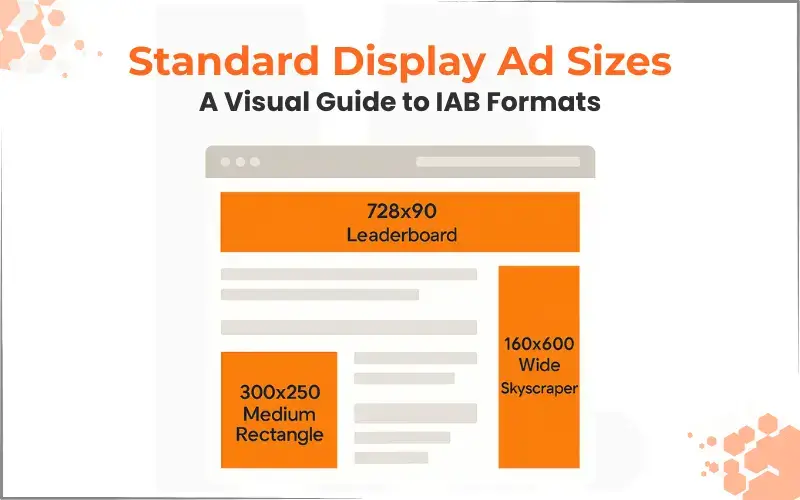
How the Display Advertising Ecosystem Works
4. Learn about Ad Networks and Ad Exchanges.
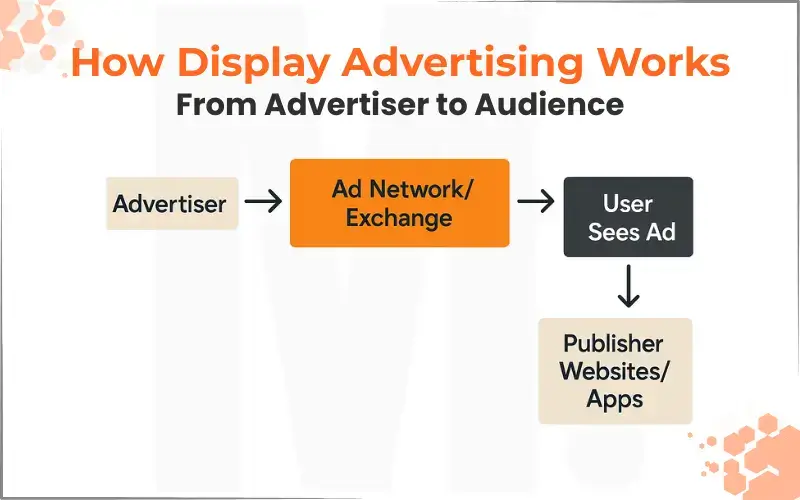
So, how do advertisers find these placements? This is where ad networks and ad exchanges come into play in display advertising.
- Ad Networks (e.g., Google Display Network): These platforms aggregate ad inventory from a multitude of publisher websites and apps. Then, they allow advertisers to run campaigns across this network, simplifying the buying process.
- Ad Exchanges: These are digital marketplaces where publishers and ad networks sell ad inventory to advertisers, often through real-time bidding auctions.
Indeed, these platforms are crucial intermediaries in the display advertising ecosystem.
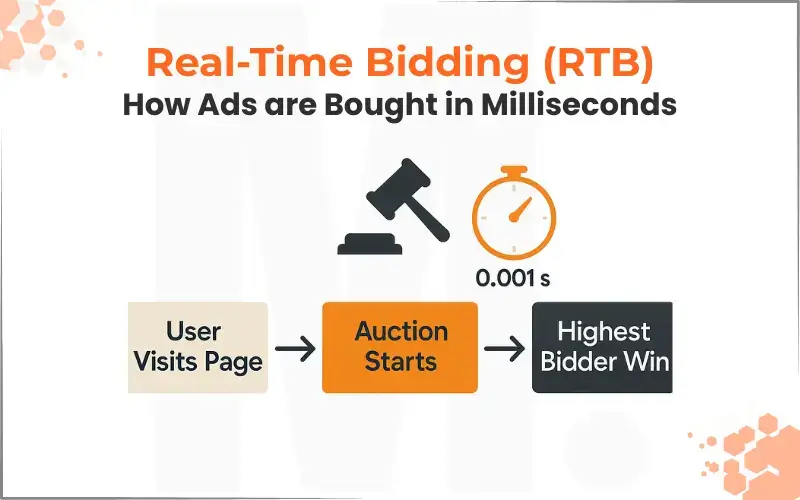
5. Understand Real-Time Bidding (RTB).
Much of modern display advertising operates on a system called Real-Time Bidding (RTB). Here's how it generally works: When a user visits a webpage with ad space, an ad impression opportunity is announced to an ad exchange. Advertisers then (or rather, their automated bidding platforms) bid in real-time (milliseconds!) for that specific impression based on their targeting criteria and bid amount. Finally, the highest bidder's ad is displayed to the user. Consequently, RTB allows for highly targeted and efficient ad buying.
6. Explore targeting options in display advertising.
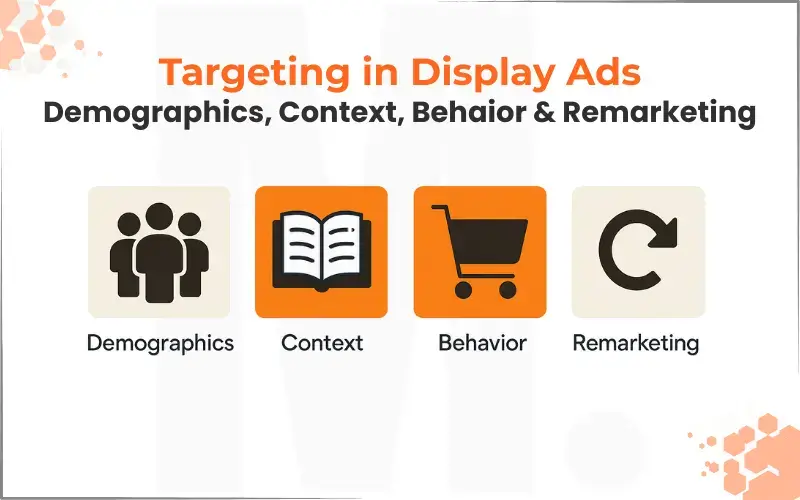
One of the key strengths of display advertising is its ability to target specific audiences. For instance, common targeting options include:
- Demographic Targeting: Age, gender, location, income.
- Contextual Targeting: Placing ads on websites whose content is relevant to the ad (e.g., a travel ad on a travel blog).
- Interest-Based Targeting (Behavioral): Showing ads based on a user's past browsing behavior, interests, and purchase history.
- Remarketing (Retargeting): Showing ads to users who have previously visited your website or interacted with your brand.
- Placement Targeting: Choosing specific websites or apps where you want your ads to appear.
Therefore, advertisers can precisely reach their desired audience.
Key Metrics and Considerations for Display Advertising
1. Next, learn about common pricing models for display advertising.
When running display advertising campaigns, you'll encounter various pricing models. For example:
- CPM (Cost Per Mille/Thousand Impressions): You pay a certain amount for every 1,000 times your ad is displayed. This is common for brand awareness campaigns.
- CPC (Cost Per Click): You pay each time a user clicks on your ad. This is often used for campaigns aiming to drive traffic.
- CPA (Cost Per Acquisition/Action): You pay when a user completes a specific desired action (e.g., a purchase, a sign-up).
Therefore, the model chosen often aligns with the campaign's primary goal.

2. Then, understand key performance metrics in display advertising.
To measure the success of your display advertising campaigns, you need to track key metrics. These include, for instance:
- Impressions: The total number of times your ad was displayed.
- Clicks: The total number of times your ad was clicked.
- CTR (Click-Through Rate): The percentage of impressions that resulted in a click (Clicks ÷ Impressions × 100).
- Conversions: The number of desired actions completed (e.g., sales, leads).
- Conversion Rate: The percentage of clicks that resulted in a conversion.
- Viewability: The percentage of ad impressions that were actually viewable by users.
By analyzing these metrics, you can optimize your display advertising efforts.

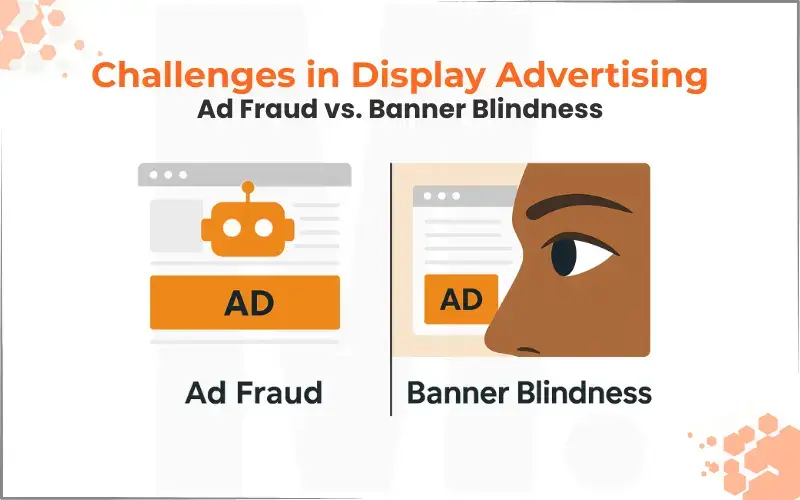
3. Also, be aware of challenges like ad fraud and banner blindness.
While display advertising is powerful, it's not without challenges. For example:
- Ad Fraud: Invalid traffic or impressions generated by bots.
- Banner Blindness: Users have become adept at subconsciously ignoring ad placements.
Consequently, advertisers and ad platforms continually work on solutions like fraud detection and creating more engaging, less intrusive ad experiences to combat these issues.
4. Finally, consider the role of creative and ad design.
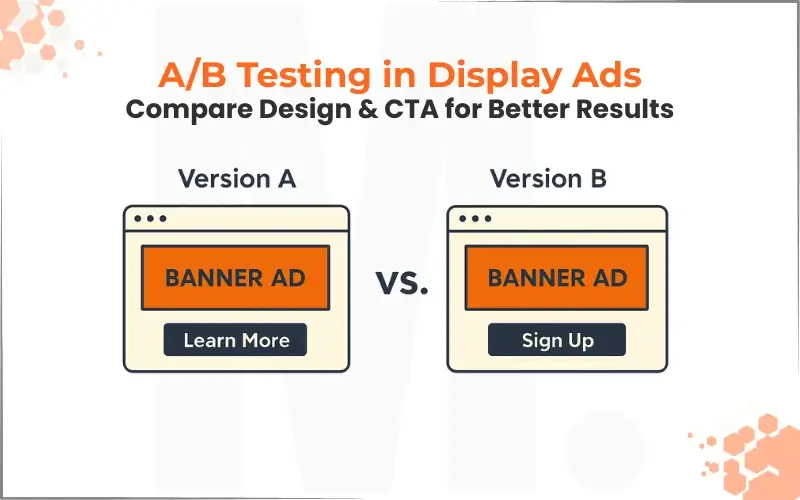
Ultimately, the success of a display advertising campaign heavily relies on compelling ad creative. Therefore, your ads need to be visually appealing, have a clear message, a strong call-to-action (CTA), and be relevant to the target audience. Furthermore, A/B testing different ad creatives is crucial for optimizing performance.
Tips:
- Primarily, start with clear campaign objectives to guide your Ad strategy.
- Also, ensure your landing pages are consistent with your ad creative and message for a seamless user experience.
- Furthermore, A/B test different ad creatives, targeting options, and CTAs continuously.
- Additionally, utilize remarketing to re-engage users who have already shown interest.
- Importantly, monitor your campaign performance regularly and make data-driven optimizations.
- Consider using responsive display ads to ensure your ads fit well across various placements.
Warnings:
- Crucially, don't overwhelm users with too many ads or overly intrusive formats, as this can lead to a negative brand perception.
- Also, be cautious with your budget, especially when starting. Monitor spending closely.
- Furthermore, ensure your targeting is precise; overly broad targeting can waste ad spend on irrelevant audiences.
- Finally, stay updated on privacy regulations (like GDPR, CCPA) as they can impact how display/advertising targeting and data collection work.
Things You'll Need:
- A clear advertising goal, of course.
- Additionally, a defined target audience.
- Ad creative (images, videos, copy).
- Perhaps, access to an ad platform or network (e.g., Google Ads for the Google Display Network).
- A budget for your display advertising campaigns.
- Lastly, a landing page for users to go to after clicking your ad.