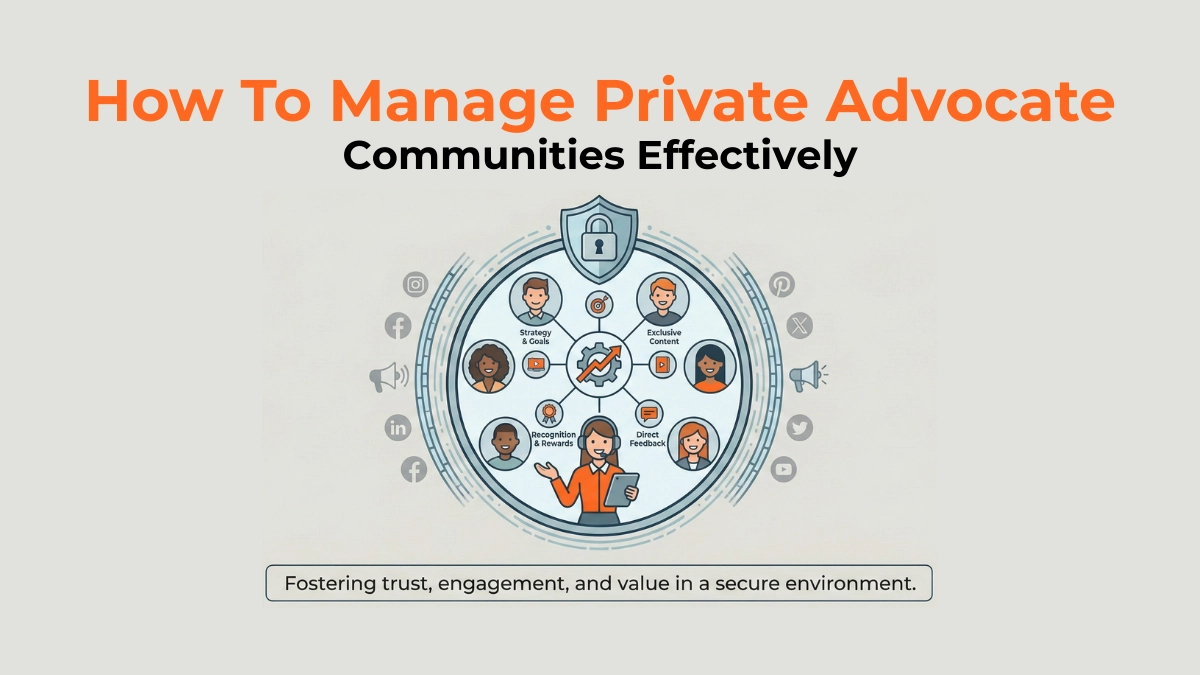
Your best customers are your greatest asset for scalable growth. However, asking them to publicly endorse you on noisy social platforms often scares them away. Therefore, the solution lies in learning how to manage private advocate communities safely. This approach shifts control from public risk to private impact.
Community Control | Manage Private Advocate Groups For B2B
This strategy moves beyond generic referral programs. In fact, it focuses on creating curated, low-pressure environments where your happiest users feel valued and equipped to share their success privately. Consequently, knowing how to Manage Private Advocate Groups is essential for authentic, scalable Customer Evangelism.
The Core Problem | Identifying Silent Advocates
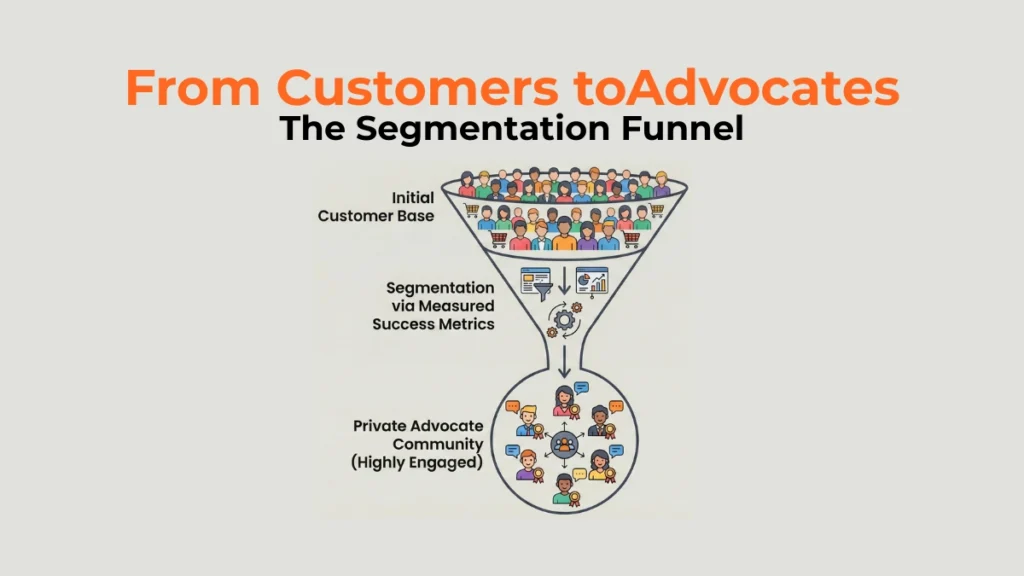
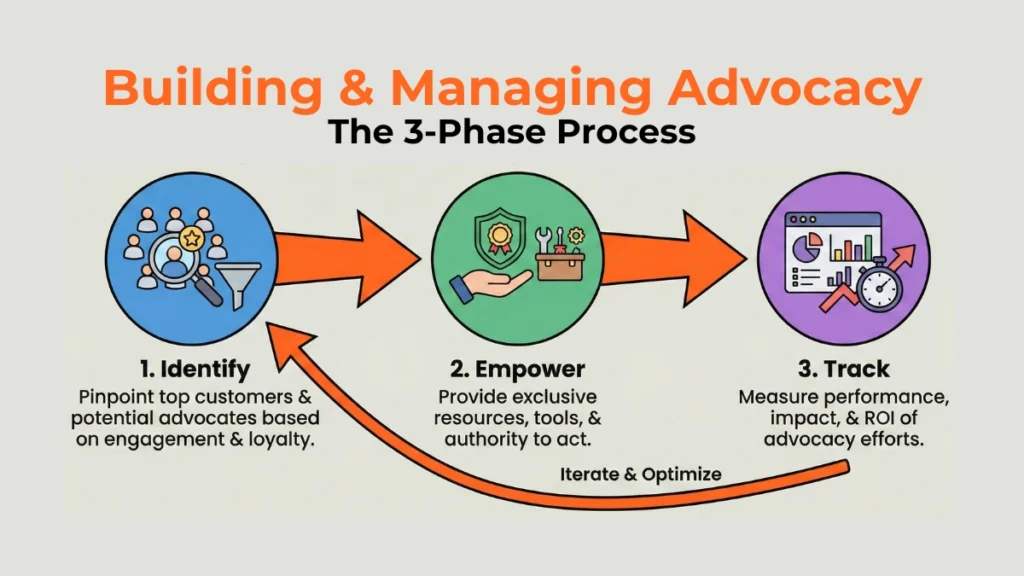
First, most valuable advocates remain silent because they are not public-facing champions. They might be busy executives or subject matter experts who prefer privacy; therefore, traditional surveys miss them entirely. You must implement specific Data Analytics & Optimization checks to identify these "hidden heroes" through high product usage or exceptional support feedback.
Phase One | Setting Up The Private Space
Next, create the dedicated, low-friction space. This should not be a public Facebook Group. Instead, consider a private Slack channel, a dedicated forum section, or a specialized, secure brand app environment. In short, the space must feel exclusive, not like "more work" for the member. This exclusivity is the foundation when you Manage Private Advocate Groups.
Phase Two | Empowering Your Advocates
Once inside the private space, your goal is to provide resources, not just ask for favors. Equip them with pre-written, easy-to-use talking points, case study outlines, or early access to new features for testing. Furthermore, make sharing incredibly simple—provide a single link or a pre-drafted email they can copy/paste. This respects their time and ensures message consistency.
Phase Three | Measuring Private Impact
This is where most programs fail without a clear strategy to Manage Private Advocate Groups effectively. You must track impact privately. Use unique referral codes, dedicated tracking links for document shares, or schedule private 1:1 calls for direct feedback interviews. This allows you to attribute pipeline growth and referral success directly to the network's private activities.
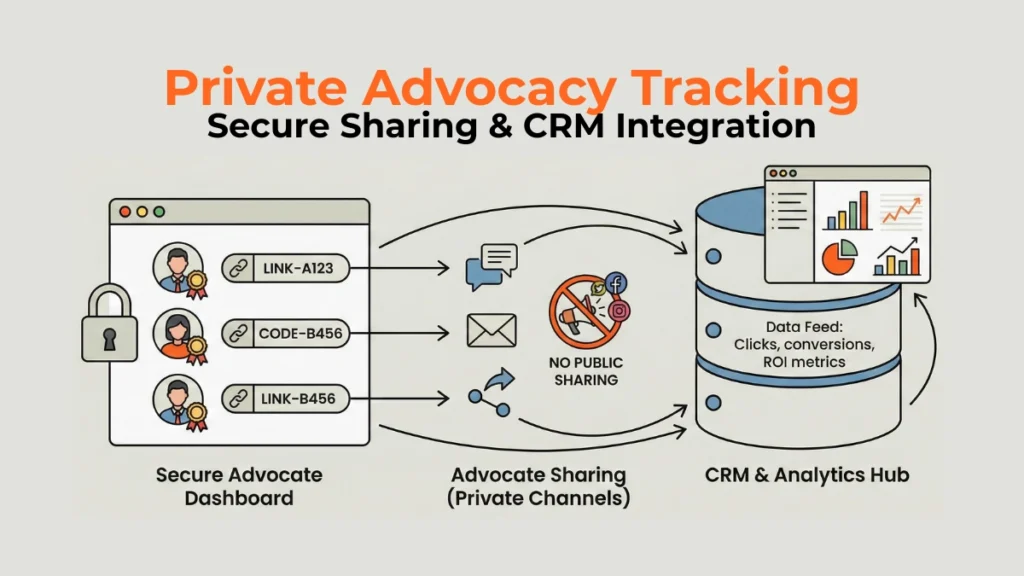
Scaling Trust | The Workflow
Ultimately, consistency builds this network. Implement a private quarterly check-in or a "Thank You" event exclusive to group members. Treating them as an internal, trusted Community Management resource validates their effort. Consequently, this reinforces the network's value and encourages new, high-quality members to join your private circle.
Expert Consulting For Advanced Analytics
For specialized data science support to build your custom models, hire an expert team. Visit [bitbop.co/hire-a-community-platform-builder] today.
Frequently Asked Questions (FAQ)
Are AI tools required for this?
No, but AI can analyze support tickets and usage data to help you identify your happiest advocates efficiently.
How quickly can I see results?
You should see initial qualitative feedback and resource uptake within 30 days, with measurable referrals appearing within 90 days.
Does this replace conversion tracking?
No, this is a layer on top of conversion tracking. It acts as an early warning system, saving money on traffic that would have converted poorly.
Tips
- Focus on one high-volume campaign first for pilot testing.
- Treat scroll depth and mouse hesitation as valuable negative signals regarding content engagement.
- Document the "Tipping Point"—the exact moment users transition from high-intent to low-intent behavior.
Warnings
- Do not use generic "engagement" metrics; tie every metric directly to your historical final value data.
- Be cautious of low sample sizes early on; wait for statistically significant data before making major budget cuts.
- Avoid letting AI models over-optimize; always leave a small percentage of "unknown" traffic to discover new behaviors.
Things You'll Need
- Access to granular, event-level behavioral tracking data (e.g., Hotjar, advanced GA4 setup).
- A defined LTV (Lifetime Value) or final sale value for segment comparison.
- A statistical background or a data analyst to validate initial correlations.