Predictive CAC Modeling Guide Stops Budget Overspend Fast
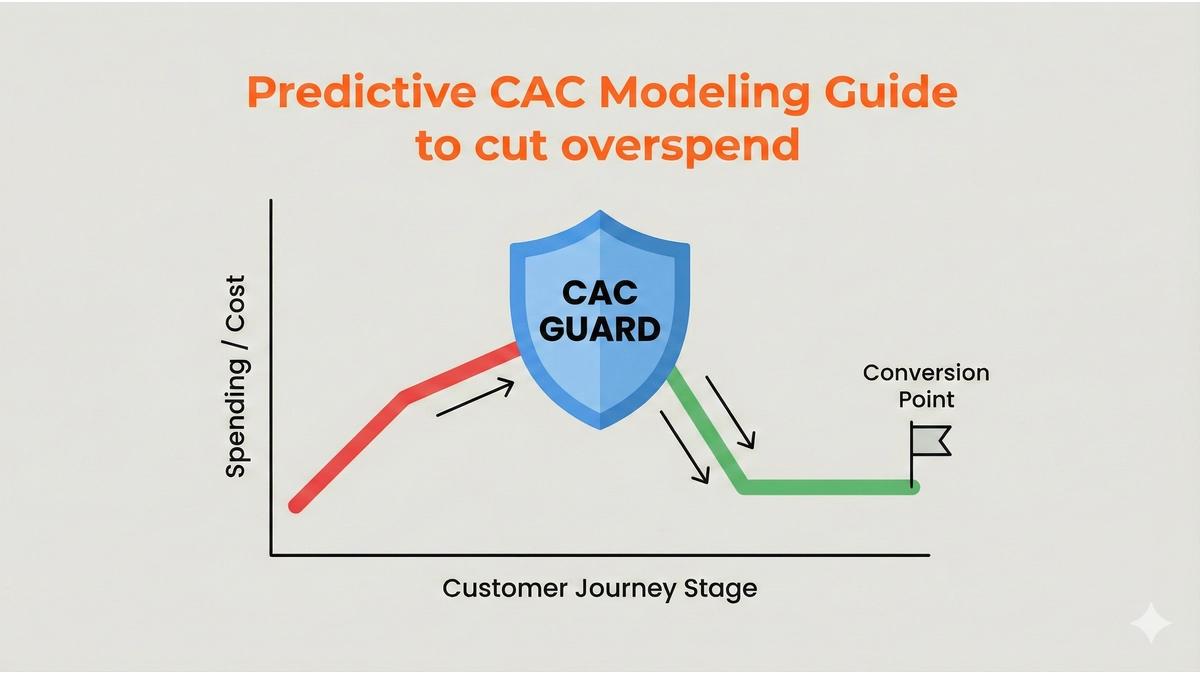
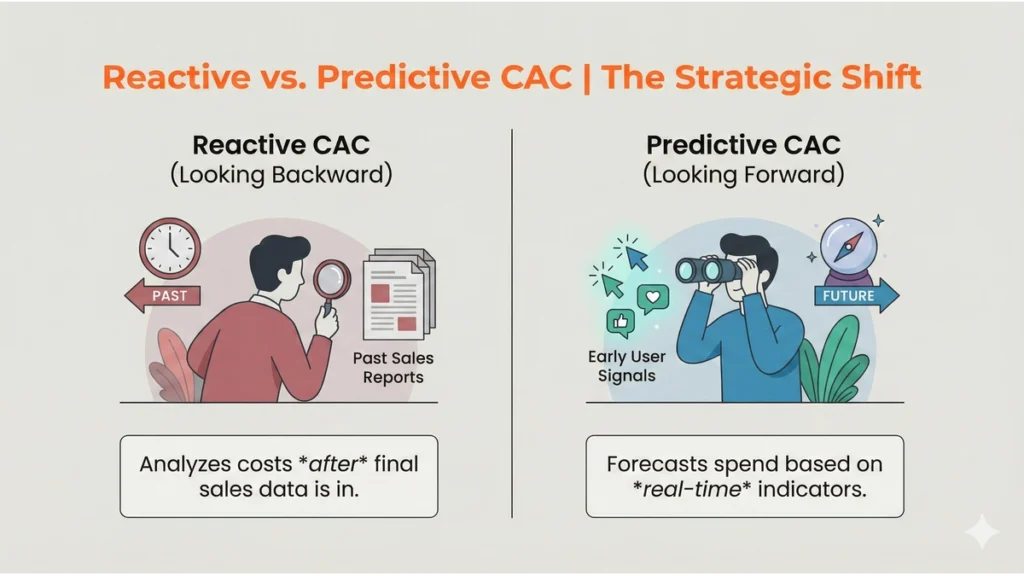
First, understand that traditional Customer Acquisition Cost reporting is fundamentally reactive. Therefore, marketers only see budget overruns long after the money is spent. However, the newest frontier in Data Analytics & Optimization involves stopping waste before it happens. This is the core of an effective Predictive CAC Modeling Guide.
The Problem with Lagging Indicators
Historically, we rely on post-conversion metrics to judge campaign success. In fact, your ad platform already knows that a lead is low intent based on initial engagement signals. Consequently, waiting for the final sale means you have already paid for every click. Furthermore, this reactive approach stalls genuine Marketing ROI improvements.
Building Your Predictive CAC Modeling Guide
Next, you must shift focus to pre-conversion signals. Essentially, these early behaviors are the proxies for future conversion quality. Therefore, building your Predictive CAC Modeling Guide requires tracking specific behavioral data points.
Key Behavioral Signals for Prediction
To implement this, identify the leading indicators specific to your funnel. For instance, for a lead-gen campaign, time spent on the pricing page matters more than social shares. Conversely, for an e-commerce site, cart abandonment patterns are critical. Therefore, map these behaviors to your desired Lower CAC outcome.
Integrating Predictive Analytics
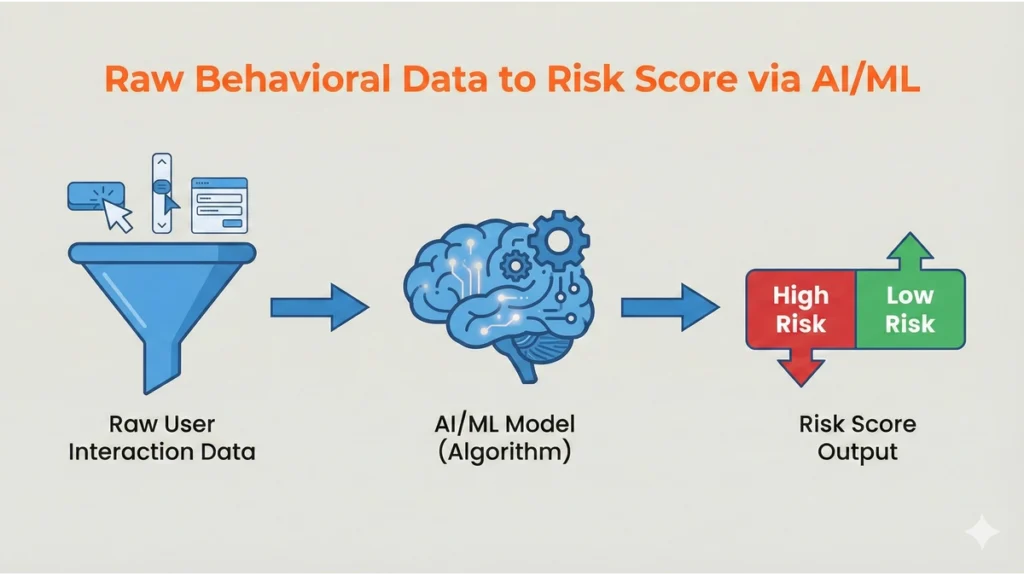
In fact, machine learning tools can now ingest this behavioral data automatically. They correlate early user actions—like viewing 3 deep-dive articles or scrolling past the main CTA twice—with final conversion value. Subsequently, this allows the system to assign a Predictive CAC score in real-time. This is crucial for immediate optimization.
Actionable Steps for Early CAC Flagging
Next, use these scores to actively manage bids and budgets. If a campaign segment shows a high-risk score early on, immediately lower bids or pause the segment entirely. Moreover, this discipline is the key to Lower Marketing Waste. Always review the patterns of the flagged low-value users to refine your initial targeting parameters moving forward.
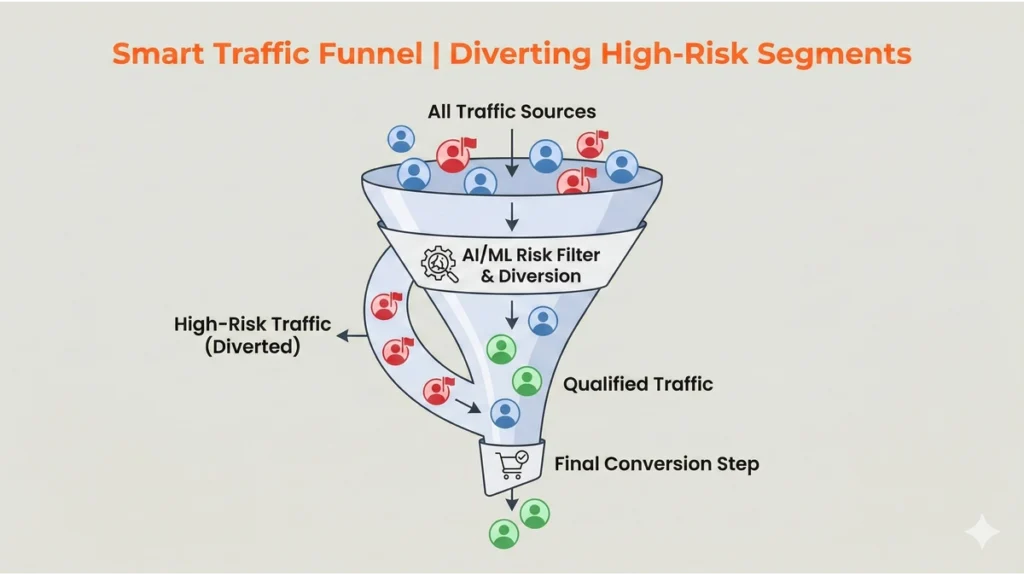
Mastering Predictive CAC Modeling Guide
Ultimately, this shifts your team from reporting on failure to actively preventing it. Therefore, treat your pre-conversion data as your most valuable asset. In short, mastering the Predictive CAC Modeling Guide separates teams that manage budgets from teams that grow revenue sustainably.
Expert Consulting For Advanced Analytics
For specialized data science support to build your custom models, hire an expert team. Visit BitBop for expert Customer Acquisition Cost analytics consultation today.
Frequently Asked Questions (FAQ)
Are AI tools required for this?
While specialized tools accelerate this, you can start by manually segmenting the top/bottom 10% behavioral groups in your current analytics platform.
How quickly can I see the results?
You should see initial flagging accuracy within two weeks of defining and tracking your core pre-conversion signals consistently.
Does this replace conversion tracking?
No, this is a layer on top of conversion tracking. It acts as an early warning system, saving money on traffic that would have converted poorly.
Tips
- Focus on one high-volume campaign first for pilot testing.
- Treat scrolls' depth and mouse hesitation as valuable negative signals.
- Document the "Tipping Point"—the exact moment users transition from high-intent to low-intent behavior.
Warnings
- Do not use generic "engagement" metrics; tie every metric directly to your historical final value data.
- Be cautious of low sample sizes early on; wait for statistically significant data before making major budget cuts.
- Avoid letting AI models over-optimize; always leave a small percentage of "unknown" traffic to discover new behaviors.
Things You'll Need
- Access to granular, event-level behavioral tracking data (e.g., Hotjar, advanced GA4 setup).
- A defined LTV (Lifetime Value) or final sale value for segment comparison.
- A statistical background or data analyst to validate initial correlations.