The Risk of AI Copyright Infringement Is Real. Here's the Fix.
The ethical concerns of generative AI are very real, but the biggest legal risk for marketers is AI copyright infringement. If the AI tool you use was trained on copyrighted images, you could be liable for a massive lawsuit. This guide is your fix.
1. Understand the Core Problem
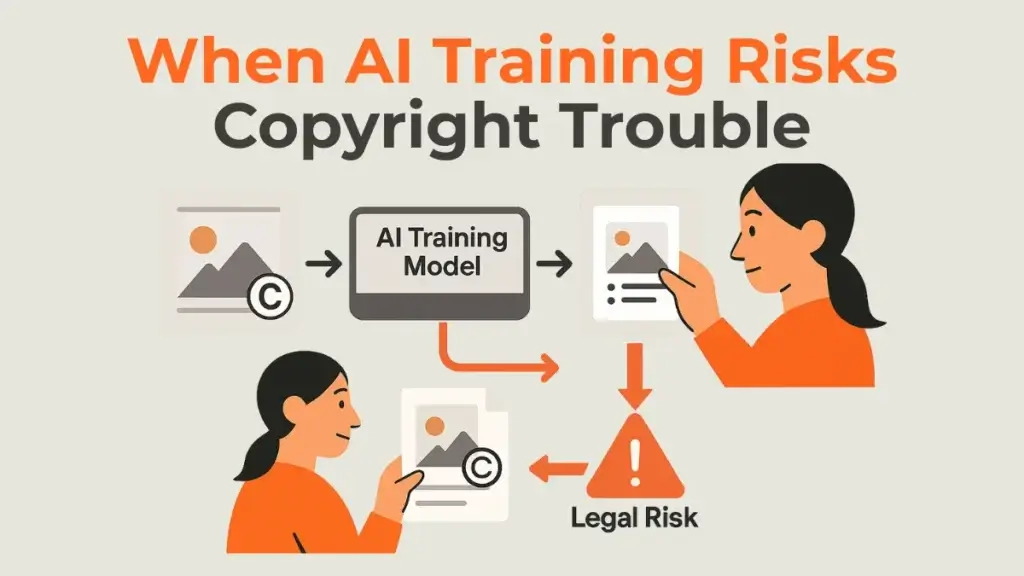
The core AI copyright issue is that most AI models are trained on data they don't own. When you generate an image, you have no way of knowing if it's a copy of a protected work. This creates a huge legal risk.
2. The Solution: AI Copyright Indemnification
The fix is a powerful new policy called AI copyright indemnification. This is a legal promise from the AI company that if you get sued for copyright infringement for using their AI's output, they will pay the legal fees. It is a legal shield for you and your business.
3. Which Companies Offer This Protection?
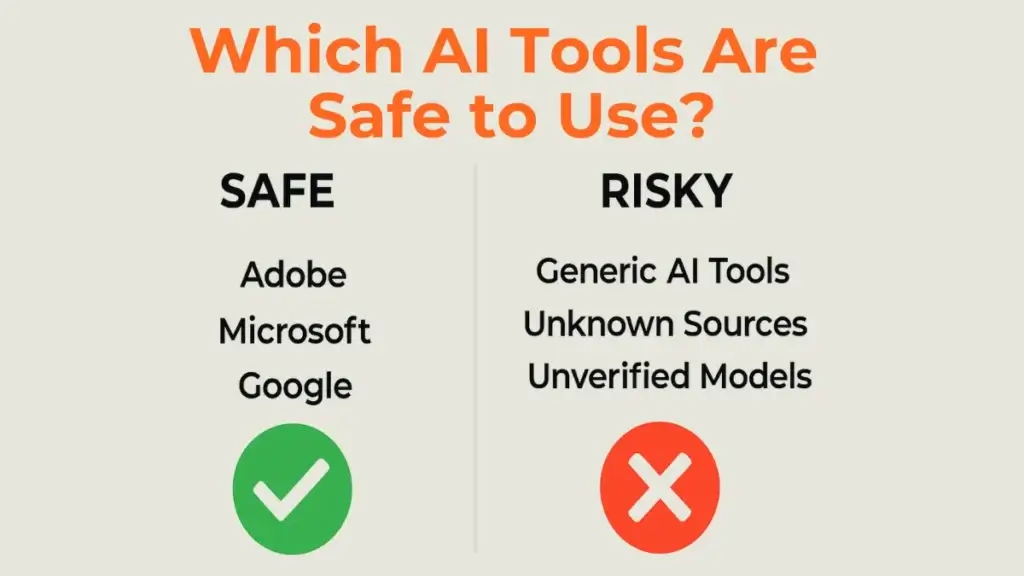
This is the most important part. Not all tools are the same.
- SAFE: Major companies like Microsoft (Copilot), Adobe (Firefly), and Google (Imagen) now offer this protection.
- RISKY: Many popular independent or open-source tools do not offer this protection.
The Microsoft Customer Copyright Commitment is a great example of a strong policy to look for.
4. Your New AI Workflow
This new reality requires a new workflow. Before you choose an AI art generator, your first question should not be about the quality of the images, but about the strength of its copyright indemnification clause.
Choosing the right, legally safe tools is a complex but critical task. If you want to leverage the power of AI without taking on the legal risk, the experts at BitBop can help. We provide trained, culturally aligned marketing experts who understand the modern technology landscape and can help you scale your business safely.

Frequently Asked Questions (FAQ)
- What is AI copyright infringement?
AI copyright infringement occurs when a generative AI tool creates content that is a direct or derivative copy of a work that is protected by copyright law, and then a user publishes that content. - What is AI copyright indemnification?
AI copyright indemnification is a legal promise from an AI provider to cover the legal costs if a customer is sued for copyright infringement for using the AI's output. - Does OpenAI have indemnity?
Yes, platforms like OpenAI and Microsoft have introduced indemnification policies like the Copilot Copyright Commitment to protect their enterprise customers from these legal risks.
Tips
- Always read the terms of service for any AI tool you use, specifically looking for the word "indemnity" or "copyright."
- Keep a record of which tool you used to generate which assets.
- Prefer using AI tools from major, reputable companies that have clear legal policies.
- When in doubt, consult with a legal professional.
Warnings
- Do not assume that just because an AI tool is popular, it is legally safe to use for commercial work.
- Be aware that these new indemnification policies are often for paid or enterprise customers only.
- Copyright law around AI is new and changing quickly. Stay informed.
- The legal risk is not theoretical. There are active, high-profile lawsuits happening right now.
Things You'll Need
- A clear company policy on which AI tools are approved for use.
- Access to the terms of service for your chosen AI tools.
- A process for documenting the source of all your AI-generated assets.
- A commitment to prioritizing legal safety over creative novelty.